Ever taken a long-haul flight without being able to send a single message? On Royal Air Maroc, that's still the case today. But it's about to change.
On 7 October 2026, RAM announced that Starlink Wi-Fi was coming to its planes. We explain what changes, when, and for whom. And above all why it took so long.
What was announced
41 planes will be fitted with Starlink, SpaceX's satellite internet service. The fleet numbers around 70 aircraft: so more than half will be connected.
Installations start in early 2027. Not all at once: the airline talks about a gradual ramp-up, so as not to disrupt flights. So no Wi-Fi on every flight from January.
The point everyone cares about: it's free for Safar Flyer members, RAM's loyalty programme. For other passengers, no price has been announced yet.
RAM presents itself as the first African airline to offer Starlink on board. A small clarification, though: Ethiopian Airlines already offers in-flight Wi-Fi, but with a different satellite system.
And on board today?
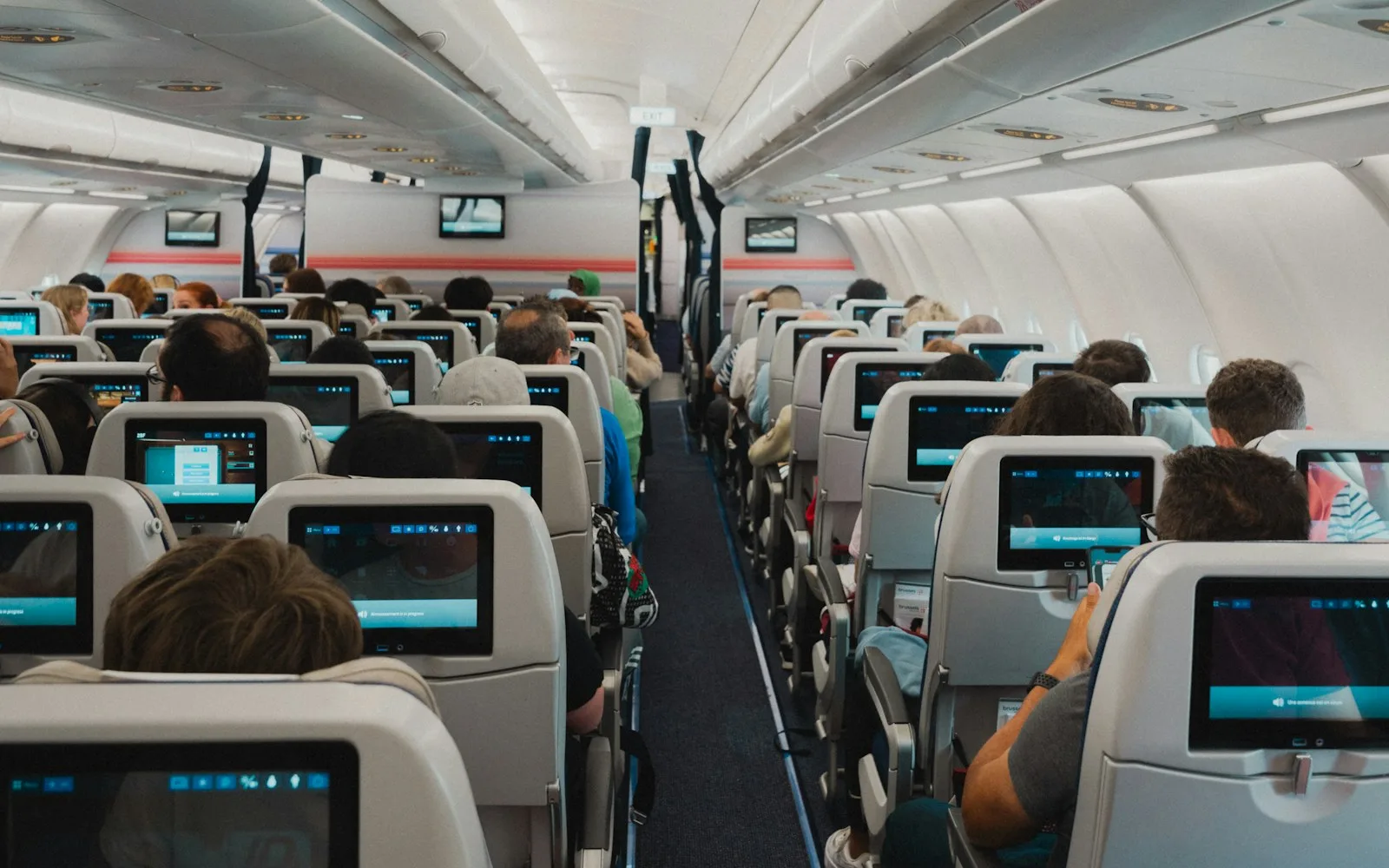
No internet. You get films and music via the plane's internal network, but no real connection. No WhatsApp, no emails, no social media. For a flight of a few hours, that's fine. For a long-haul flight, it's a long time.
Wi-Fi had already been promised… in 2014
This is the detail that makes you smile. In April 2014, Driss Benhima, then CEO of RAM, told the website Financial Afrik:
“By the end of the year, we will have wifi on board.”
Twelve years later, still nothing. So what happened?
Why did it take so long?
Let's be honest: RAM has never publicly explained why the 2014 promise wasn't kept. But when you trace things back, three factors stand out.
1. The Covid crisis
In 2020, the airline went through the worst crisis in its history. The state announced aid of around 6 billion dirhams, conditional on a restructuring plan. Around 900 employee contracts were terminated. A third of the fleet was put up for sale or lease.
When an airline is fighting to survive, on-board Wi-Fi inevitably takes a back seat.
2. Tough negotiations with Starlink
According to Africa Intelligence, cited by Morocco World News, RAM found Starlink's first offer too expensive. Starlink justified its price by high operating costs and technical constraints specific to the Moroccan request. The contract was only finally signed on 4 August 2026.
3. Starlink still isn't authorised for the general public in Morocco
Starlink set up a subsidiary in Casablanca in early 2025, but still doesn't have a commercial licence to sell subscriptions to individuals. According to the same source, the DGSSI, the authority in charge of information systems security, raised data-related concerns. The contract with RAM is a separate agreement, specific to aviation. We don't know whether this issue weighed on the airline's timeline.
What's next?
RAM is in the middle of an upgrade. The programme contract signed with the state on 11 July 2023 plans to grow from 50 to 200 planes by 2037. With 41 connected aircraft from 2027, the airline is finally starting to catch up on Wi-Fi.
Two important questions remain: the price for those who aren't Safar Flyer members, and the actual quality of the connection in flight. We'll keep you posted as soon as we know more.
And you, would you pay for in-flight Wi-Fi?
Sources
Le Desk · FlightGlobal · One Mile at a Time · Financial Afrik (2014) · Morocco World News · Le Brief · Air Journal · Le Matin
Illustration photos: Unsplash.
À lire aussi
- Partir à Dakhla : quand y aller, où dormir et que faire sur place
- Jeu concours : elle a gagné un brunch pour 2 chez Holy Brunch
- Sorties cinéma au Maroc du 4 novembre 2026 : Hope, Autisto, Wild Horse Nine et Godzilla Minus Zero
- Aïd Al Wahda : ce qu'il faut savoir sur le nouveau jour férié du 31 octobre au Maroc
- Sorties cinéma au Maroc du 28 octobre 2026 : Aya et Hadi, Le Fantôme de l'Opéra, Le Mystère Lucy Lost
- Sorties cinéma au Maroc du 14 octobre 2026 : Street Fighter, Les Misérables, Englouti…